If you’ve ever caught yourself wishing your lights would just know when to switch on or if your home could set the mood before you even walk in, well, welcome to the world of Home Automation. It’s exciting, it’s convenient and honestly, once you get used to it, going back feels kinda… old-school.
However, a big question still arises for many homeowners: Is home automation safe?
Short answer: yes, mostly. Slightly longer answer? It depends on the choices you make, the tech you use and how everything’s integrated. Let’s walk through the important points in a simple way.
How Does Home Automation System Work? (Without the Tech Headache)?
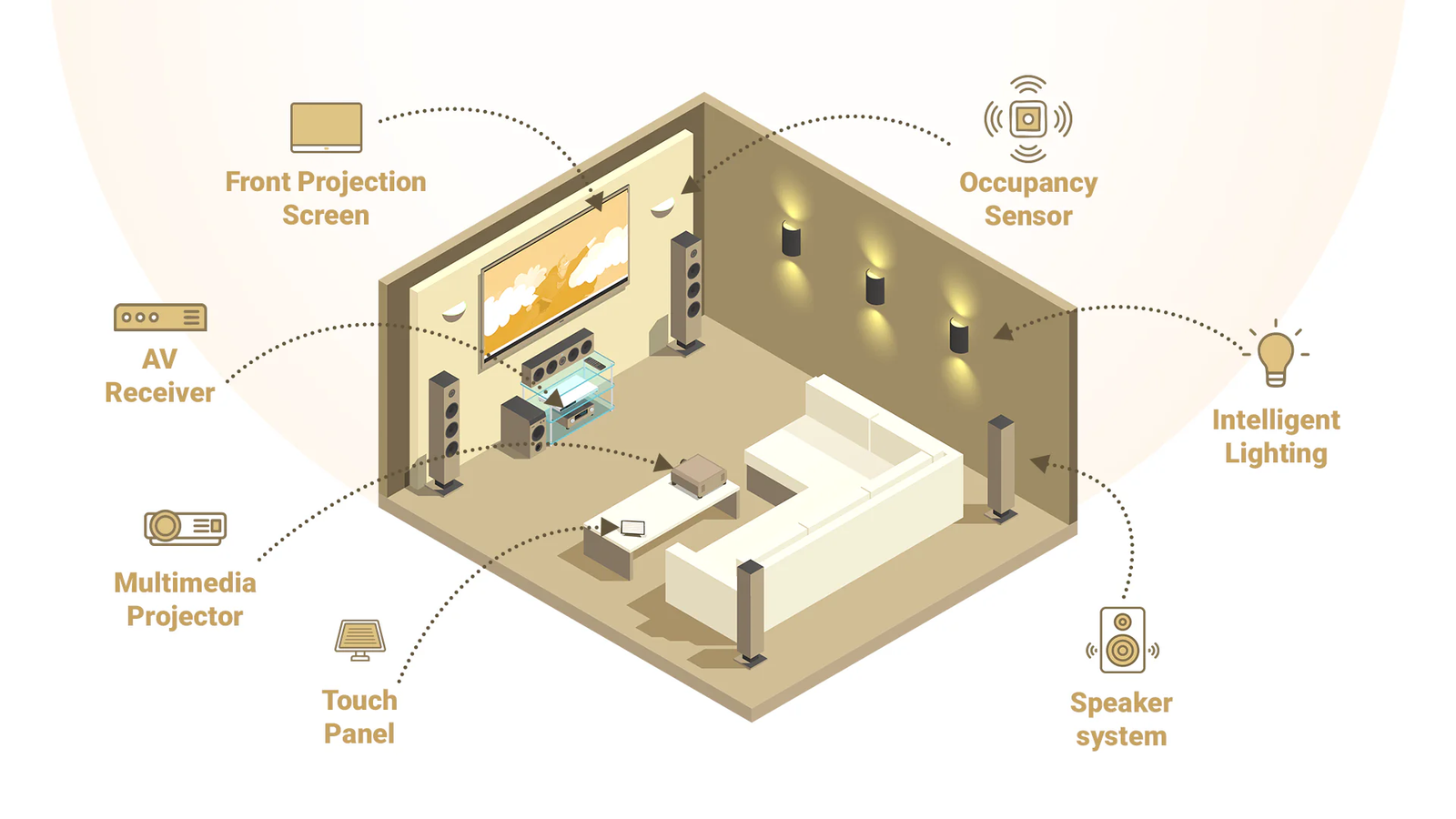
Your home gets a brain. A central system connects various smart devices, including lighting, climate control, entertainment, security and possibly shades and door locks. You interact with it through keypads, touchscreens, remotes or your phone.
Smart sensors (like daylight, occupancy or timing sensors) quietly do their thing in the background, adjusting the environment without you lifting a finger.
It sounds magical, but it’s really just thoughtful engineering blended with intuitive design. And when done right, it’s crazy seamless.
But Is It Safe? Let’s Break It Down
1. Security Starts With the Network
The truth is, the biggest weak point in any automated setup is usually the home’s Wi-Fi. If the network is weak, outdated or poorly secured, you’re basically leaving the door half open.
That’s why solid home automation solutions aren’t just about cool gadgets; you need secure networking and proper configuration behind the scenes.
Actis, for example, quietly emphasises strong, next-gen secure WiFi & networking when creating luxury automation experiences. It’s subtle, but it matters a lot more than most people realise.
2. Automation Devices Are Safe… When They’re Trusted Brands
Cheap or unverified smart devices may save a bit in the beginning, but they often lack proper security layers. Good systems use encrypted communication, authenticated access and strong integrations.
When Actis curates and integrates devices for lighting, shade control, AV, HVAC or surveillance, everything is selected for both performance and reliability, because luxury isn’t just about comfort, it’s also about trust.
3. Centralised Control Reduces Risks
A surprising fact: a scattered mix-and-match of random devices is more risky than a properly integrated system.
A centralised setup (like the ones Actis builds for modern homes) means:
- One secure access point, not many
- Easier monitoring
- Consistent updates
- Predictable behaviour
It’s kind of like having one very responsible security guard versus twelve part-timers who don’t talk to each other.
4. Security Alerts, Notifications, Door Locks & Alarms Add Real-Time Protection
Modern home automation isn’t passive anymore; it’s proactive. Smart systems send instant security alerts and notifications straight to your phone when something unusual happens, whether it’s a door opening unexpectedly, motion detected at odd hours or a system fault.
Smart door locks and alarms add another strong layer of safety. You can lock or unlock doors remotely, grant temporary access to guests and staff and receive alerts if someone tries to tamper with the system. It’s control, even when you’re miles away.
5. Security Cameras Keep an Eye on What Matters Most
Security cameras are no longer bulky or intrusive. Today’s IP-based surveillance systems integrate smoothly into your home automation setup. You get live monitoring, recorded footage, night vision and mobile access, all protected through encrypted networks.
With proper integration, cameras don’t just watch; they work alongside alarms, lighting and sensors to create a truly responsive safety ecosystem.
6. Physical Safety Gets a Big Upgrade Too
Home Automation isn’t only about cybersecurity; the physical world benefits too. Smart lighting can prevent mishaps, especially with sensor-based pathways.
Automated shades improve privacy. Smart HVAC creates healthier indoor air. Integrated home cinema systems avoid cable clutter and electrical risks. And let’s not forget IP surveillance, which is one of the strongest safety pillars in modern living spaces.
What About Privacy?
Another common worry. Here’s the truth: With professional home automation solutions, your data stays inside your system. When devices and servers are local or securely encrypted, you’re not sending your home habits into the world.
Actis designs whole-house systems that prioritise privacy by combining reliable wired/wireless technologies, controlled access and minimal external dependencies. The result? Peace of mind without paranoia.
When Home Automation Becomes Truly Safe: The Integration Factor
You’ve seen those homes where lights, music, shades, climate and entertainment all flow together? That’s not just luxury; it’s secure luxury. Because a well-designed integrated system behaves predictably.
Actis focuses deeply on blending technologies in a seamless, unobtrusive way. Everything from home cinema setups to smart lighting to whole-house control is designed to feel natural and intuitive. No over-complication, no digital chaos. Just smooth, sensory comfort that adapts to the people living there.
Final Thought
Is home automation safe? Absolutely when it’s thoughtfully designed and professionally integrated. And once you experience the ease, the comfort, the atmosphere it can create, you’ll wonder why you waited this long.
So if you’re dreaming of a smarter, calmer, more luxurious home… it might be time to make that dream real.