
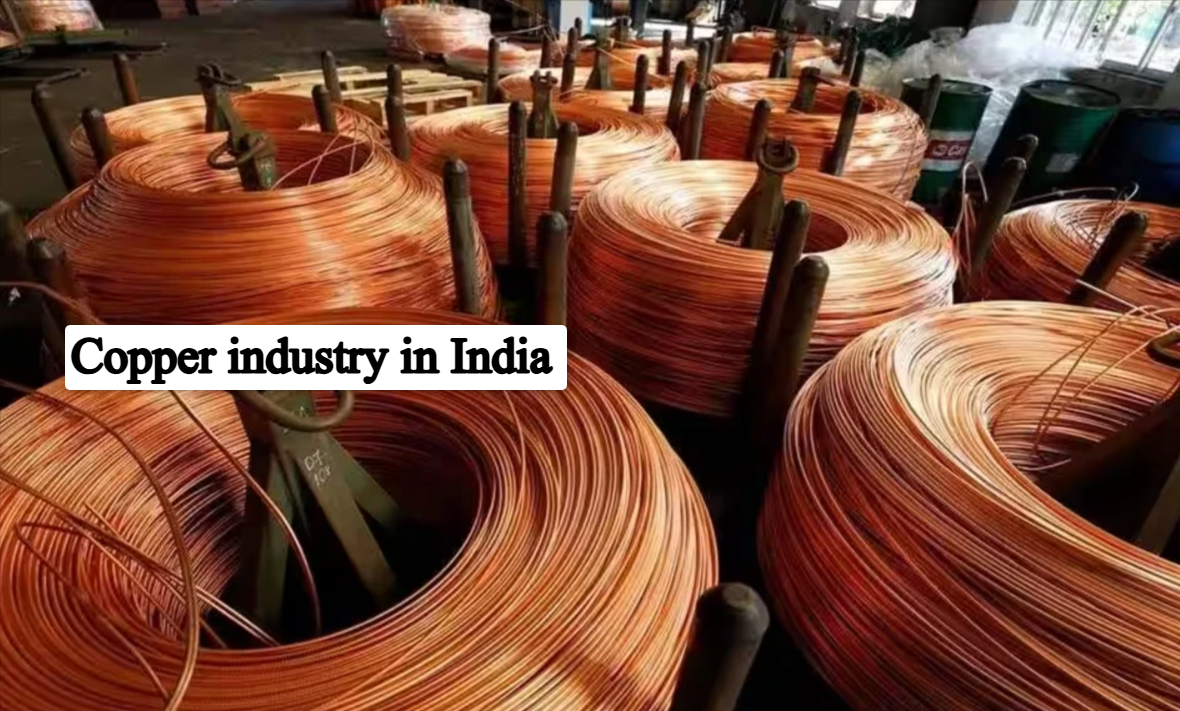
In 2025, India’s copper industry is at an inflection point. A strong domestic demand fueled by renewable energy, electrification along with electric vehicle (EVs) is bringing together an historically dependent supply chain that relies on imports as well as a flurry of capacity expansion plans by both private and public companies. This results in an economy that is poised for continued growth however, it requires a shrewd approach to policies, logistics and investments to transform potential into a steady domestic supply.
Demand Growth: structural and not a blip in the short-term
The demand for copper in India is increasing rapidly. Recent studies have shown an increase of double digits in year-over-year copper consumption in FY24, which includes significant growth (driven in part by renewable infrastructure installation and consumer electronic devices). Renewables, electrified pumps for agriculture and electric vehicles are the most significant demand movers. Each consumes significantly higher amounts of copper per unit than traditional technologies, and so any the incremental capacity increases translate into an outsized increase in copper demand.
Supply: limited, but growing
The production of domestic mines has increased slightly, however India is still a net importer of copper concentrates that are refined. The state-owned Hindustan Copper (HCL) and private majors (notably Aditya Birla’s Hindalco group as well as the huge conglomerates focusing on metals) are working on ambitious expansion plans. HCL has announced a stepped-up approach to ore production targets as well as the opening up of brownfield assets as well as Hindalco has been open about the multi-billion dollar investment in capacity for metals. If these projects are completed in a timely manner, will help reduce import dependence in the short long term, but they will require several years to fully ramp up.
Industrial push and policy
Sector vision and government documents reports of Ministry of Mines. Ministry of Mines are prioritising expansion of upstream capacity auctions for mines, speedier clearances and incentives to construct refining and smelting capacity. All focused on improving the level of self-sufficiency in India and generating jobs in the mineral-rich regions. The move to locate “critical minerals” capacity complements India’s industrial policy overall and clean energy goals. The policy’s intentions are encouraging for capitalists, but the timeframe for implementation and granting permits will determine the outcome.
The market structure as well as important players
The market is comprised of public miners from the past as well as integrated private conglomerates and port-based refineries and smelters which import concentrates to local refinement. Hindalco as well as its associates are one of the biggest industrial forces in shaping copper capacity as well as downstream production volumes. Public companies such as Hindustan Copper are critical for the expansion of mines in India. Recent public presentations and filings of corporates indicate companies putting copper first along with aluminium and downstream product lines.
Challenges – the environment, feedstock and logistics
Three structural risks are evident:
- Feedstock dependency: India is a major importer of a significant part of copper concentrate and refined copper. Concentrate availability worldwide and sea-freight fluctuations will affect the domestic margins and the continuity.
- Risk of project execution: Large greenfield and brownfield projects could take years to complete delay in commissioning or overruns in cost would make import dependence higher and lead to temporary tightness.
- Environmental and social licenses: Copper mining and melting are both capital-intensive and environmental sensitive. Environmental scrutiny that is more stringent, but necessary, could delay timelines and increase the cost of capital.
Investment themes and opportunities
- Supply chain for electrification Cables, transformers, and EV motors are high-growth copper-based end-uses — companies that supply electrolytic copper, wire rod and special alloys will reap the benefits.
- Recycling as well as secondary copper With increasing scrap availability and a growing demand for sustainability, secondary/refined mining and recycled investments can be appealing margin play.
- Port-linked smelters Plants located close to ports that can import concentrates and export refined products are strategically advantageous; anticipate increased capacity in the southern and western ports.
Outlook 2025-30 (practical view)
Expect demand to outpace the current production of refined products in the near term (2025-27). However, if the announced capacity expansions and developments in mining proceed according to plan, India should see a significant decrease in dependence on imports towards the end of 2020 — not complete elimination however a more structurally strong the domestic demand base. Policymakers and investors should prioritize the speedier processing of permits as well as incentive programs for refineries downstream and improvements to logistics in order to ensure that there is no impasse between smelters and mines.
What should businesses do now?
- Cable makers and fabricators in the downstream must hedge feedstock with long-term offtakes, and diversify suppliers.
- OEMs of renewable and EV products must take into account the availability of copper and price volatility into their product costing.
- Investors should favour companies with integrated value chains (mine-smelter-refinery-downstream) and demonstrated project execution capability.
The bottom line:
The Indian copper industry by 2025 is a promising growth story with a few caveats. Demand fundamentals are strong and will continue to grow over the long term (electrification and renewable energy and electric vehicles). Supply-side transformation is taking place but the way it is executed of feedstock logistics, environmental licensing will determine if India transforms its potential into a reliable greener, less dependent Copper value chain.