
Before visiting Iceland, it is better to plan your time there efficiently. While there is public transport that you can take to go sightseeing, car rental provides more comfort. You can stop wherever you want and be there as long as you need. However, not all vehicles can satisfy your needs. So, what is the best car to rent in Iceland and how to choose it in 2026?
Road Types in Iceland
The first thing to consider when choosing Reykjavik Cars is the road type. The surface is one of the most important selection criteria, as Iceland has both even and rocky roads to consider. Generally, you can categorize them in the following way.
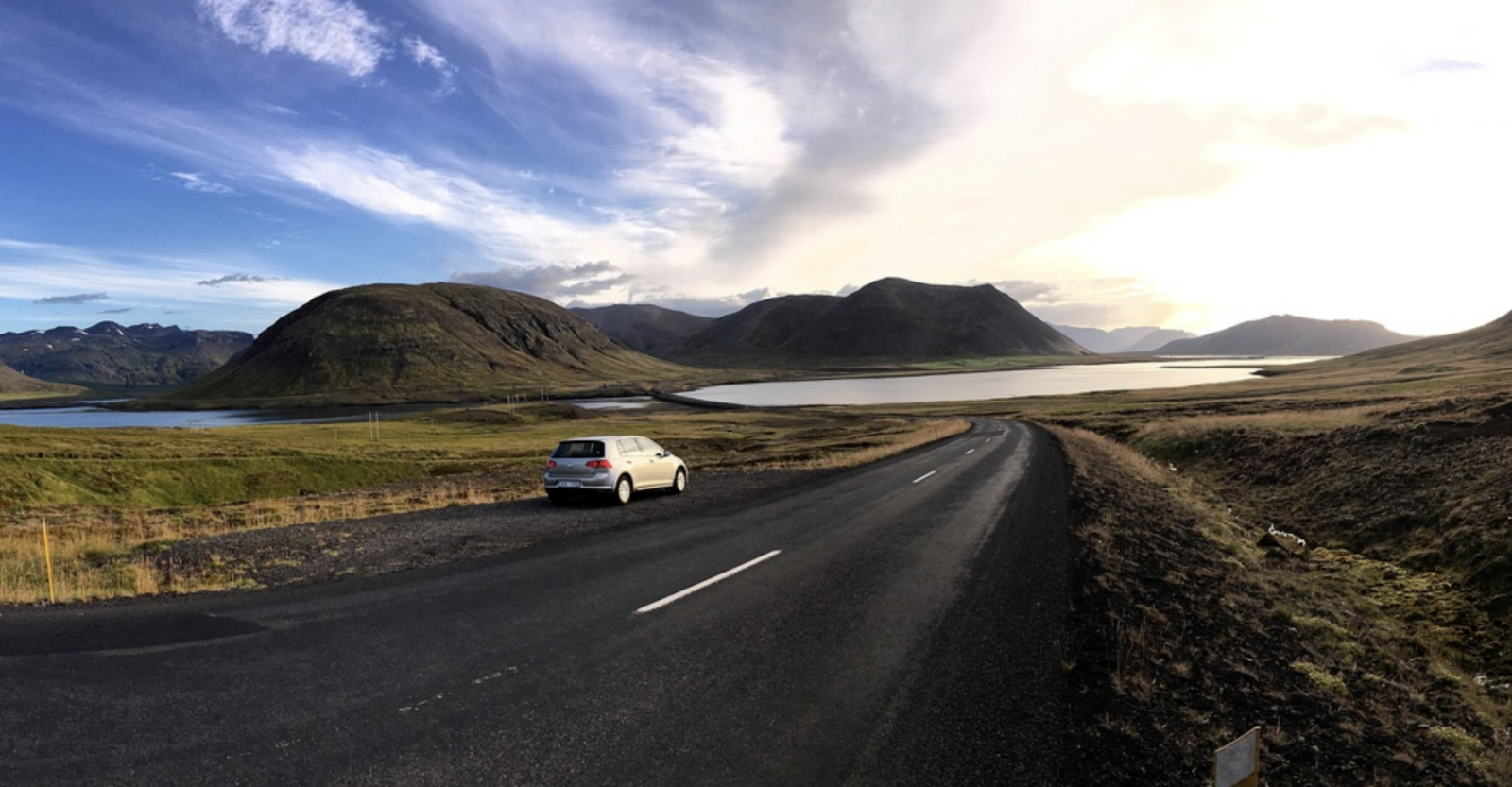
- The Ring Road. It is the main road in Iceland that is used by most locals and tourists. It is the main artery of the country with a well-maintained surface. It is paved and used by public transport.
- Gravel roads. If your goal is off the main road, you may happen to use gravel roads to see specific waterfalls or enjoy coastal views. Yet, be ready, as these roads are bumpy and narrow.
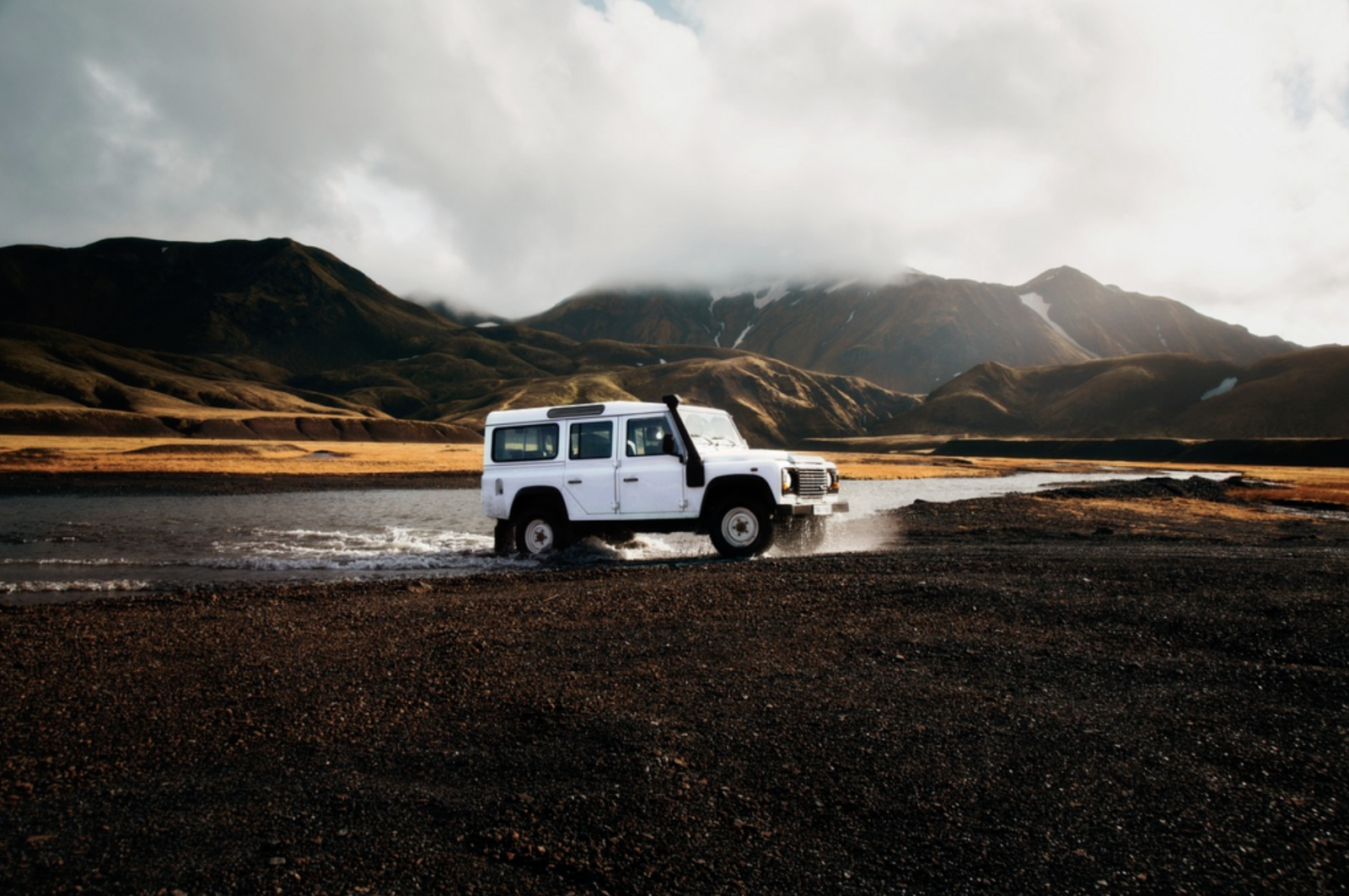
- “F” or mountain roads. These roads are the most challenging for drivers as they are unpaved, rugged tracks with deep ruts. Some destinations may even require a river crossing.
So, it is essential to plan your route or choose a car that can manage all possible obstacles.
In Summer, a Compact Rental Car Works Well on Most Routes
If your summer travel focuses on main paved roads like the Ring Road, a 2WD car will perfectly fit the purpose. It can be an economy and compact car as its renting is cheaper and more fuel-efficient. Some travelers note that car services (rent + gas) are not that cheap in Iceland, so such cars will help you save and enjoy the trip.
The Season Matters When Picking a Rental Car
Season is the second factor to regard when choosing the best rental cars in Iceland. While most countries have traditional four seasons, Iceland has typically two seasons: Mild (from May to early September) and Wild (from late September to early May). Why does it matter?
Summer roads are usually clear with the 24-hour daylight that provides the maximum visibility level. Drivers feel comfortable even without being familiar with local road conditions, as they can evaluate the surface quality independently. The situation changes when the Wild season covers the roads with snow and ice. In addition, strong winds can lower the visibility level due to sand and snow blizzards.
For Winter Travel and Routes Beyond the Main Highways, a Bigger Vehicle is Usually the Smarter Choice
As you may have guessed, 2WD cars are not an option for the wild season in Iceland. The best version becomes a 4WD (Four-Wheel Drive) or AWD (All-Wheel Drive). Even though their rental can be a bit “biting”, it is not just a luxury option anymore. It guarantees maximum safety and comfort for drivers and passengers in such conditions. The icy surface can make 2WD cars hard to manoeuvre. That is why larger vehicles are associated with the following perks in winter:
- They better manage unplowed snow on rural side roads and parking lots, as they are higher than 2WD cars.
- 4WD cars have improved stability and better traction on winter roads thanks to studded tyres and extra grip. It is a must-have for slippery roads and uphill climbs.
- They are spacious enough to take more passengers onboard and things for personal care or fuel.
- Finally, they are larger and move massive, promising the so-called “psychological safety” for drivers and their passengers.
So, bigger vehicles provide more psychological and physical stability and confidence on winter roads.
Weather Conditions
The Icelandic Meteorological Office is one of the first sites to check before choosing a car for rent in Iceland. Locals report that you can experience all four seasons within one hour, with the wind being one of the most challenging factors to handle. Sometimes, the gusts can be so strong that your car can be literally swept away from the road, or your car doors can be ripped off their hinges.
A 4WD/4×4 is Required for Iceland’s Highland Roads
So, if you wish to be mesmerized by the beauty of the mountains of Landmannalaugar or the jagged peaks of Thórsmörk, a 4×4 car is your best choice. Besides, according to the law, it is illegal to drive a 2WD on roads marked as “F” (mountain roads). In such regions, your car might need to manage river crossings, boulders, and deep sand. You should also know that those regions usually have no shops and gas stations. So, you will need to fuel up and pack other product supplies.
Note! Rental companies never cover water damage caused by river crossing, including their platinum coverages. So, make sure your car has a high air intake and can cross the river without any damage.
Keep These Key Tips in Mind When Driving a Rental Car in Iceland
Perhaps, in other countries, car rental rules are simple and consider only pricing and fuel issues. Car rental in Iceland has more specific rules that might save you costs and provide peace of mind during your travel.
- Hold your doors with two hands when you need to open them, as strong winds can damage the hinges by swinging them forward.
- Summer travelers need to be aware of sheep on roads that move freely in this season. If you happen to hit one, you will compensate its cost to a farmer.
- When renting a car, request Sand and Ash Protection (SAAP) and Gravel Protection (GP) along with standard CDW (Collision Damage Waiver).
- Fuel up your car in advance and take some products when traveling to mountain regions.
- Use only marked roads, as off-roading is illegal.
Iceland Is a Small Country and an Island
So, hiring a rental car in Iceland is a thing you need to plan in advance. Compact cars are perfect for summer, and SUVs are ideal for winter challenges. Even though the island is small, it might take you some time to handle its roads. Besides, you would definitely like to take photos so as not to forget your country-island trip. So, take your time to hire the best vehicle to handle roads and your personal, special and safety needs.