
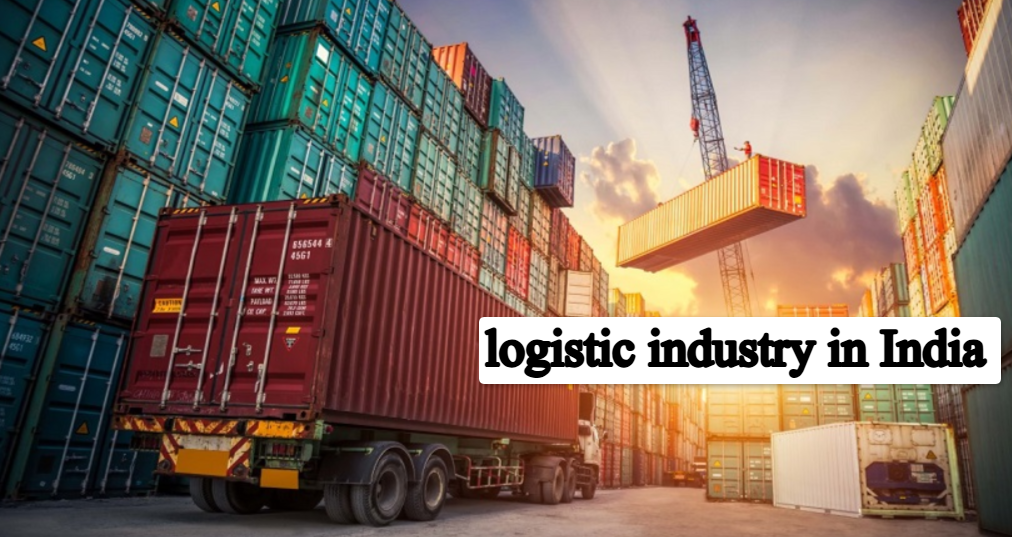
India’s logistics industry is a critical component of its economic growth and competitiveness. By 2025, the logistics industry in India will have grown into a USD $300+ billion ecosystem, connecting manufacturers, traders and consumers on an increasingly digital, interconnected landscape. India’s logistic sector is undergoing transformation due to the massive government infrastructure push, adoption digital logistics platforms and a flourishing e-commerce industry. Despite this, there are still many challenges to overcome, including cost inefficiency, fragmented operation, and a shortage of skilled workers.
This article presents a 360° analysis of the logistic industry in India by 2025, including its current landscape, the key drivers, the opportunities and the future.
Industry Overview
According to NITI Aayog, and Invest India forecasts, the Indian logistics market is estimated to be worth around USD 250 billion in FY 2022. By FY 2025 , this number will reachUSD 380 billion. Currently, the sector contributes approximately 13-14% to India’s GDP. It also employs more than 22,000,000 people both directly and indirectly.
The value chain of logistics includes transportation and warehousing. It also includes freight forwarding services, inventory management, packaging as well as value-added service. The industry is dominated primarily by road transportation (around 60%), followed by railway (25%) and shipping (around 10%). air cargo (5%).
The year 2025 will be a time of modernization, with the use of digital platforms, multimodal integrated systems, and automation enhancing efficiency and transparency.
Growth drivers in 2025
1. Infrastructure Modernization
India’s logistics infrastructure is being reshaped by the government’s National Master Plan for multimodal Connectivity. The plan integrates roads, airports and inland waters into a single transport grid.
- 11 industrial routes and 35+ logistic parks are currently being developed.
- The dedicated freight corridors (DFCs) along the eastern and Western routes have increased freight speed and reduced costs.
- The Bharatmala, and Sagarmala continue to improve road and port connectivity.
By 2030 these projects will reduce India’s logistic costs from 13-14% to less than 10% of GDP, in line with global benchmarks.
2. Rise of Digital Logistics
In 2025, digital supply-chain management will be the dominant tool. This includes AI route optimization as well as IoT enabled tracking. Blockchain documentation is also a major player.
The automation of operations has been a key factor in the growth of major logistics startups such as Delhivery and Rivigo. BlackBuck and Ecom Express also rely on predictive analytics.
Even traditional players are now using digital cargo exchange real time GPS visibility and electronic invoicing for efficiency.
The government’s Unified Logistics Interface Platform, part of the Digital India Initiative, integrates multiple data sources in order to improve transparency and reduce paperwork across all transport modes.
3. E-commerce and Expansion of 3PL
India’s logistics industry continues to be reshaped by the e-commerce revolution. Online retail is expected to exceed USD $150 billion by 2025. This will create a huge demand for cold-chain logistic providers, third-party logistics, and last mile delivery.
Companies such as Amazon Flipkart and Blinkit invest in AI-driven routes planning, automated micro fulfillment centers, and eco-friendly delivery fleets.
4PL and 3PL logistics companies have become integral partners of MSMEs looking for end-to-end outsourcing.
4. Easy to Do Business and Policy Support
The National Logistics Policy launched in 2022 continues to drive reforms. It focuses:
- Reduce logistics costs
- Multimodal connectivity:
- Standardizing warehouse infrastructure and
- Developing logistics skill councils.
GST Implementation also removed interstate barriers allowing for smoother freight movements and creating a demand for large, strategic logistic hubs.
The Sector’s Challenges
In 2025, despite its rapid growth, there are still challenges.
- High logistics costs– Costs are higher in the U.S. (7%) than China (8%) or other countries.
- Fragmented market– More than 80% of the logistics players are small warehouse or transport owners, with limited adoption of technology.
- Infrastructure Gaps Rural connectivity, multimodal integra-tion, and last mile networks need to be improved.
- Skill Shortage– There is a growing demand for skilled manpower trained in supply chain analytics and automation.
- Environmental Concerns– India’s CO2 emission is largely due to logistics. The move towards green logistic and electric cars (EVs), is growing but still in its early stages.
Opportunities Ahead
- Green Logistics Adoption of electric trucks, solar-powered storage facilities, and biofuels can position India as an eco-friendly logistics hub.
- Expansion of Warehousing– The growth in 3PL and E-commerce has led to a demand for grade A warehousesin tier-2 cities and tier-3.
- Cold-Chain Growth — With India as the global leader in food exports, cold-chain infrastructure for pharmaceuticals, fruits, and dairy products is rapidly expanding.
- Technology & Automation – Robotics, drones, and predictive analytics improve operational efficiency.
- Regional corridors– India’s strategic position allows cross-border logistic growth with Bangladesh markets, Nepal, Bhutan and ASEAN.
The Way Forward
In order to maintain its growth momentum in 2025, the Indian logistic sector must:
- Use for integrated multimodal transport to reduce costs.
- Foster public-private partnerships (PPPs) for infrastructure development.
- Accelerate Digital Transformation with AI, IoT and Blockchain
- Promoting green practice will help you achieve your sustainability goals.
- Focus on programs for skill development to modernize the workforce
Continued government investment via PM Gati shakti and NLP as well as private sector participation is crucial to making India a global logistic hub by 2030.
Conclusion
In 2025, the logistics industry will be a key component of India’s digital and manufacturing economy. It’s on a path to become one of the world’s most competitive logistic markets with strong policy reforms and infrastructure upgrades.