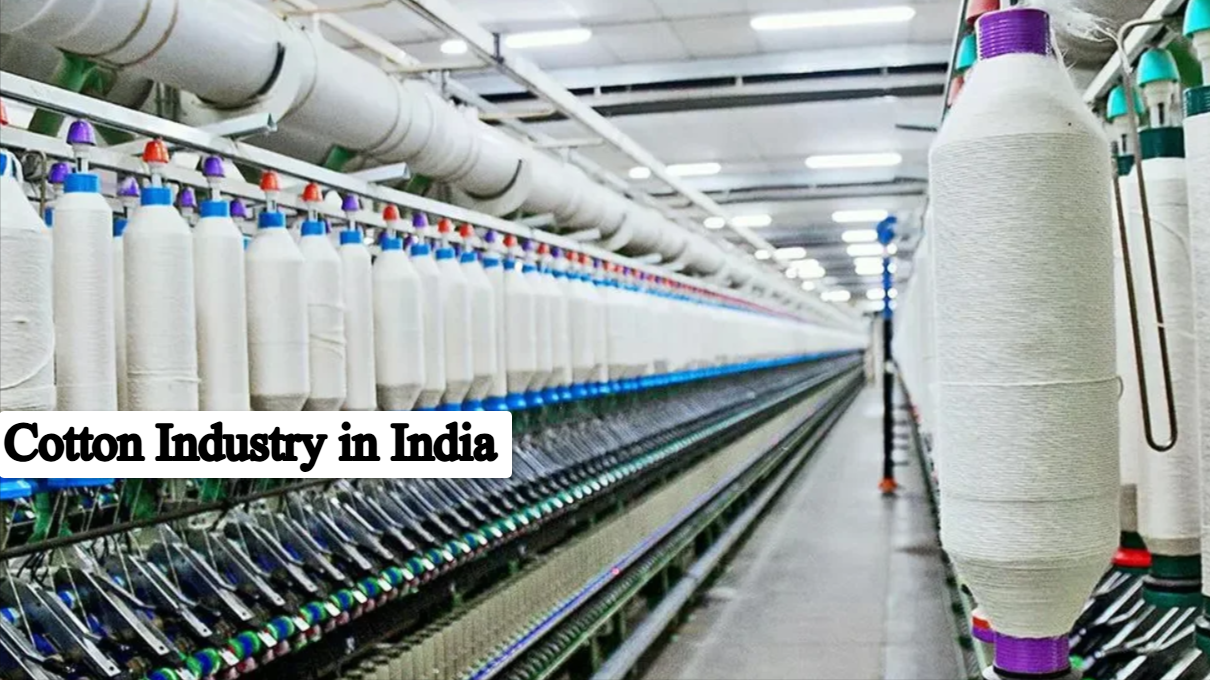
India, the world’s leading producer and consumer, is at a critical point in 2025. After a difficult period, the cotton industry is set to make a major recovery. This includes cultivation, spinning and textile manufacturing. The resurgence of the cotton industry in India is a result of favorable government initiatives, an improved domestic market, and stabilization on global markets.
Production Scene
The estimated cotton production in India for 2024-25 is approximately 302,25 lakh bales (each weighing 170 kg). Cotton Corporation of India has purchased approximately 100 lakh bales through the Minimum Support Price scheme (MSP), which accounts for 34% of total production. The Cotton Association of India estimates a 7.8% decline year-on-year in production, but the Indian Council of Agricultural Research projects a higher yield of about 32 million bales. This indicates regional variations and the potential for recovery.
Spinning Industry Revival
According to ICRA projections, the cotton spinning industry is expected to grow 6-8% by FY2025. This growth can be attributed to modest increases in yarn realisations and a volume increase of 4-6%. This revival is attributed to a combination of factors, including improved domestic demand in downstream segments such as ready-made clothing and home textiles as well as stabilization of cotton yarn prices.
Export Dynamic
In the crop year 2024-25, India’s exports of cotton are expected to reach 18 lakh bales. This is a decrease from previous years but the global demand rebound, especially from countries such as China, should boost the sector. The long-term government target to achieve US$100 billion in textile exports in 2025-26 highlights the strategic importance of cotton in India’s economy.
Government Initiatives
The government announced a five-year Cotton Mission in the Union Budget for 2025-2026. This initiative, which was funded with INR 600 crores, aims to revitalize the Indian cotton sector. This initiative is aimed at improving productivity, adopting new farming techniques, and improving cotton quality. These measures will address issues like inconsistent quality and fluctuating yields, strengthening the foundation of the industry.
Strategic Focus and Challenges
Cotton industry still faces challenges despite optimistic outlook
- Climate Variability Unpredictable weather patterns may affect crop yields or quality.
- Infrastructure Gaps Inadequate storage facilities and processing can result in post-harvest losses.
- Market access: Limited market access can limit export potential.
In order to mitigate these challenges, industry is focusing:
- Sustainable practices: Promote water-efficient irrigation techniques and organic farming methods
- Technology Integration Adopting digital platforms and precision agriculture tools for better yield predictions and market links.
- Policy support: Advocate for favorable trade policies, and better infrastructure investments.
Conclusion
In 2025, the cotton industry in India will undergo a transformation. The sector is set for a robust growth with government policies that support it, an increase in demand both domestically and globally, and a strategic focus on technology and sustainability. To realize its full potential, and achieve the ambitious export goals set for the next years, it will be important to continue to tackle the existing challenges.