
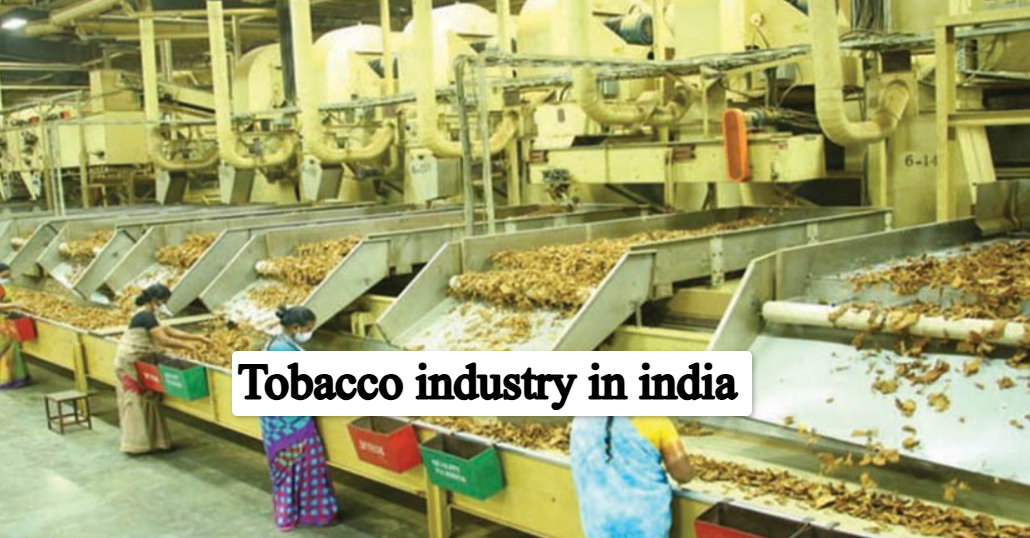
In 2026, the tobacco industry will remain one of India’s most complex and important economic sectors. It will continue to contribute heavily to employment, government revenue and exports while also being at the forefront of regulatory and health debates. India is not only a large producer of tobacco, but also a significant consumer market. This creates a delicate balance of economic interests and public-health imperatives.
Overview of a Global Tobacco Powerhouse
India is the world’s second largest producer of tobacco and the third largest consumer. The tobacco industry is a major contributor to the economy of India, with over Rs55,000 billion in annual tax revenue and employing around 45 million people through agriculture, processing and retail.
The Indian tobacco market will be valued at USD 16-18 billion in 2025. This includes a variety of products such as cigarettes and bidis. It also includes chewing tobacco (gutka), gutka-like tobaccos, and other smokeless tobaccos. The market is growing moderately despite increased health awareness, stringent regulations and increasing demand in rural and suburban areas. This is due to diversification of products, exports and the rising demand for tobacco in these areas.
The Structure of the Tobacco Industry
The Indian tobacco market is highly diversified, and it has multiple segments.
- Cigarettes (20% of the market): Although cigarettes account for a lower share of total tobacco consumption, they contribute to nearly 85 percent of tobacco tax revenues. The leading players are ITC Limited Godfrey Phillips India and VST Industries.
- Bidis (30% of the market): Bidis are popular with low-income groups because they’re affordable. They’re produced in large clusters throughout Madhya Pradesh and Maharashtra.
- Smokeless tobacco (50% share of market): India has one of the biggest markets for chewing gum, khaini zarda and gutka.
- Export Segment India exports raw tobacco and finished products, to over 100 countries including UAE, USA and Russia, earning over USD 1 billion per year .
The industry is able to withstand fluctuations in demand by diversifying its portfolio.
Economic Contribution & Employment Impact
In 2025, the tobacco industry will continue to generate a large number of jobs. In 13 states, over 6 millions farmers grow tobacco, with Andhra Pradesh and Gujarat as the top producers. These states are known for the quality of their flue-cured Virginia (FCV). variety.
bidi roll, curing and packaging are also performed by millions, usually in rural or semi-urban areas where other livelihood options are scarce. Through excise taxes, GST and exports, the industry contributes to India’s exchequer.
This strong economic footprint is accompanied by increasing health concerns, and anti-tobacco campaign, which creates both opportunities and challenges to policymakers.
The Policy and Regulatory Landscape for 2025
India has over the years implemented some of world’s most stringent tobacco control laws, under the Cigarettes and Other Tobacco Products Act and aligned with the World Health Organization Framework Convention on Tobacco Control.
By 2025, regulatory framework will include:
- Pictorial warnings on 85% of the packaging.
- Prohibition of advertising and sponsorship for tobacco products.
- Limitations on sales near schools and public facilities
- Taxation of cigarettes and smokeless tobacco.
- The 2019 ordinance prohibits the use of e-cigarettes, vaping products and other electronic cigarettes.
The government promotes crop diversity programs to encourage farmers to switch from tobacco to other cash crops like chili, maize and oilseeds.
Industry response and shifting market dynamics
Major tobacco companies adapt to maintain growth despite tighter regulation:
- Diversification in FMCG and Agribusiness: Companies such as ITC reduce dependence on cigarettes through expansion into the food processing, packaging, and paper sectors.
- Product Innovation: The introduction of low-nicotine variants and filter variants to cater to changing consumer tastes and global standards.
- Expansion of exports: India’s tobacco exports continue to grow, particularly those FCV and sun-cured types, as manufacturers target new markets in Africa and the Middle East.
- Automation, quality control and waste reduction: The adoption of advanced curing technologies and processing techniques improves quality consistency.
The unorganized bidi sector and the smokeless tobacco industry are also experiencing slow modernization. Rising compliance costs and tighter enforcement affect small producers.
Health, Regulation and Illicit Trade
In 2025, the industry will face several challenges.
- Public Health Pressure: India registers over one million tobacco-related death each year. This has prompted NGOs and policymakers push for more aggressive measures against tobacco.
- High taxation: The high taxes on cigarettes has led to an increase in illegal trade which accounts for almost 25 percent of the total cigarette consumption.
- Youth Smoking is Declining: Increasing awareness and lifestyle change among younger demographics has led to a decline in cigarette consumption, though smokeless tobacco usage remains high.
- Farmer Dependant: The transition of millions of tobacco farmers from tobacco to alternative crops is a long-term task that requires coordinated state and federal initiatives.
These challenges have shaped a complex debate on policy — how to balance economic well-being with public health goals.
Future Outlook for Transformation in the Face of Regulation
In 2025, the Indian tobacco industry will be at a crossroads. growth in the future will be dependent on diversification and innovation, while the traditional tobacco market is stable.
- Growth in the Regulated Premium Segment: The urban demand for premium export-quality cigarettes could continue to grow modestly.
- Integration of Technology: Improved traceability systems, AI-driven quality controls and better AI-driven production will modernize the industry.
- Sustainable Farming: With government support, the shift to environmentally friendly tobacco cultivation is gaining momentum.
- Global Positioning India continues to play a leadership role in the global trade of tobacco leaves. This will ensure competitiveness by ensuring quality and cost advantages.
The transformation of the industry will depend on its ability to adapt to new regulations and social attitudes.
Conclusion: A Sector In Transition
In 2025, the tobacco industry in India will be a paradoxical mix of progress and contradiction. The tobacco industry in India is a major exporter and pillar of rural economies, but it also faces increasing challenges due to health concerns, regulations, and global sustainability standards.
The future of the tobacco industry in India will be determined by its ability to develop responsibly, investing in innovation and diversification as well as farmer welfare. In the coming years, this century-old tobacco industry will likely be redefined from one that is driven solely by consumption into one that is shaped by responsibility, adaptation, sustainable transformation.