For a long time, the decision was simple. If you needed an office, you went to Bengaluru, Mumbai, Delhi NCR, or Hyderabad. Everything else felt like a compromise. That assumption is quietly fading. What’s happening now isn’t ideological. It’s practical.
Companies aren’t trying to prove anything by moving beyond metros. They’re responding to how teams work, where talent lives, and what makes an office usable over five or ten years. That is where Tier 2 Cities enter the conversation, not as backups, but as deliberate choices.
What Tier-2 Means Today
A decade ago, Tier 2 cities were discussed with caution. Good intent, limited readiness. That’s changed. Cities like Indore, Kochi, Jaipur, Coimbatore, Ahmedabad, Chandigarh, and Bhubaneswar now come with defined business districts, reliable connectivity, and a workforce that’s no longer new to corporate setups.
You see Grade-A office space where there used to be mixed-use buildings. You see companies staying put instead of treating these locations as temporary experiments. The difference isn’t ambition. It’s maturity.
Office Space Demand is Moving Where Work Feels Easier
One reason office space demand is shifting is simple: daily work has become harder in metros. Commutes stretch. Attrition rises. Costs stack up in ways that don’t show on a rent sheet alone. In Tier 2 Cities, the workday still feels manageable. People live closer to offices. Travel time is predictable.
Teams aren’t exhausted before the day starts. That matters more than it sounds. Office space demand doesn’t grow just because space exists. It grows when employees show up consistently and stay longer. These cities quietly deliver that stability.
Cost Savings Matter: But Not in Isolation
Yes, rentals are lower. That’s obvious. In many Tier 2 Cities, companies secure modern office space at a fraction of metro costs. But the bigger difference shows up elsewhere, in parking, utilities, support services, and even fit-out timelines.
The result isn’t just savings. It’s flexibility. Businesses can invest in better workspace quality instead of squeezing teams into minimal layouts. They can plan longer without worrying about annual cost shocks. Office space, in this context, stops being a financial strain and starts becoming a tool.
Talent Isn’t Missing. It is Redistributed.
One misconception still lingers that Tier 2 Cities lack skilled professionals. Anyone hiring today knows that’s outdated. These cities produce strong graduates year after year. More importantly, they’re seeing professionals return from metros. People who’ve already worked in Bengaluru or Gurugram.
People who want stability without stepping away from meaningful roles. Attrition tends to be lower. Teams stay intact longer. Knowledge compounds instead of resetting every year. From an operating perspective, that changes everything. Office space demand follows talent consistency, not city branding.
Infrastructure Has Caught Up – Quietly
Infrastructure rarely gets credit because it improves slowly. Then one day, it’s simply… there. Airports are better connected. Roads work. Digital infrastructure is reliable enough to support distributed teams without friction.
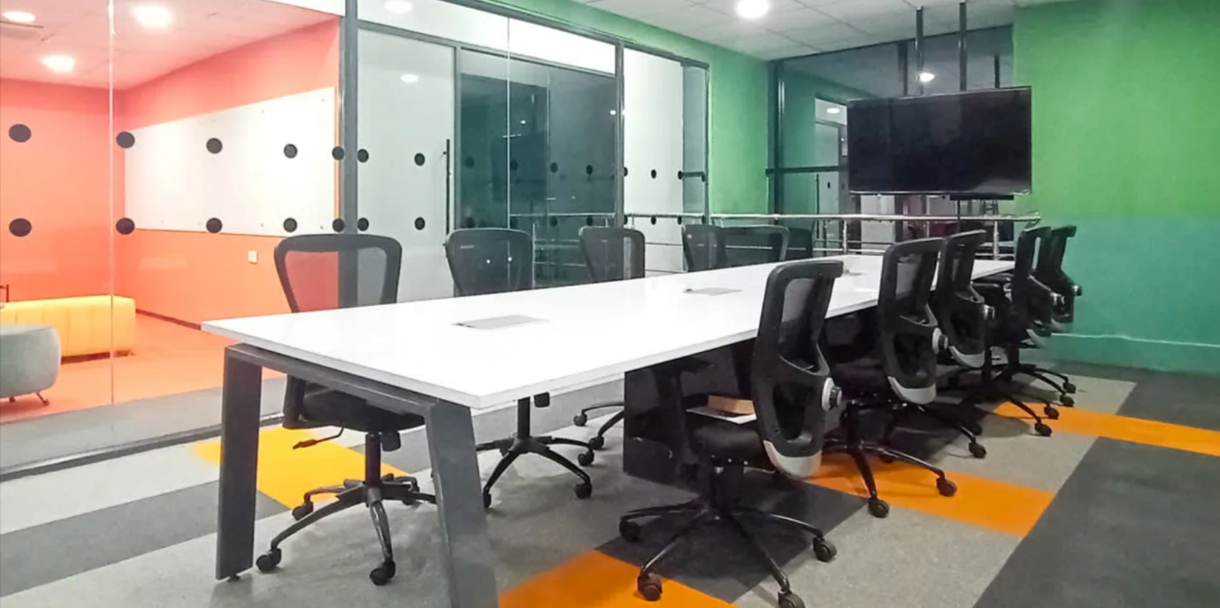
Commercial development has followed suit. Office space in Tier 2 Cities now looks and functions much closer to metro standards than most people expect. The gap hasn’t vanished entirely. But it’s no longer a blocker.
Hybrid Work Reshaped Location Logic
Hybrid work didn’t kill offices. It changed why they exist. Companies no longer need everyone in one city. Instead, they’re spreading operations across locations that make sense for specific teams. Tier 2 Cities fit neatly into this logic.
They work as delivery centres, regional hubs, or specialised teams supporting larger networks. Office space demand here is often tied to long-term intent, not short-term experimentation. This is why the growth feels steady rather than explosive. And that’s usually a good sign.
Where Demand Is Showing Up Consistently
Some Tier 2 Cities stand out because their ecosystems are reinforcing themselves:
- Indore for IT services and operations
- Kochi for tech support and logistics-linked teams
- Jaipur for BFSI and shared services
- Coimbatore for engineering-led work
- Ahmedabad for corporate and regional offices
In each case, office space demand isn’t driven by one sector alone. It’s diversified. That’s what keeps it resilient.
Managed Offices Lowered the Entry Barrier
Another reason companies are more comfortable moving into Tier 2 Cities is how easy it has become to start. Managed workspace removes the friction of long build cycles, has no heavy capital commitments, and has no uncertainty about quality.
For enterprises testing a new city, this matters. It turns a strategic question into an operational decision. Office space becomes something you occupy and adjust, not something you’re locked into.
The Decision Isn’t About “Bigger” Or “Better”
Tier 2 Cities aren’t replacing metros. And they don’t need to. They’re filling gaps that metros can’t address: cost control, talent stability, and sustainable scale. Office space demand is shifting because work itself has shifted. Teams move differently.
Growth happens in phases. And location fit now depends less on brochure appeal and more on how people move through their day. That’s the real reason Tier 2 Cities are emerging as India’s next office space growth hubs. Not because they’re cheaper.
Because, for many teams, they simply work better.